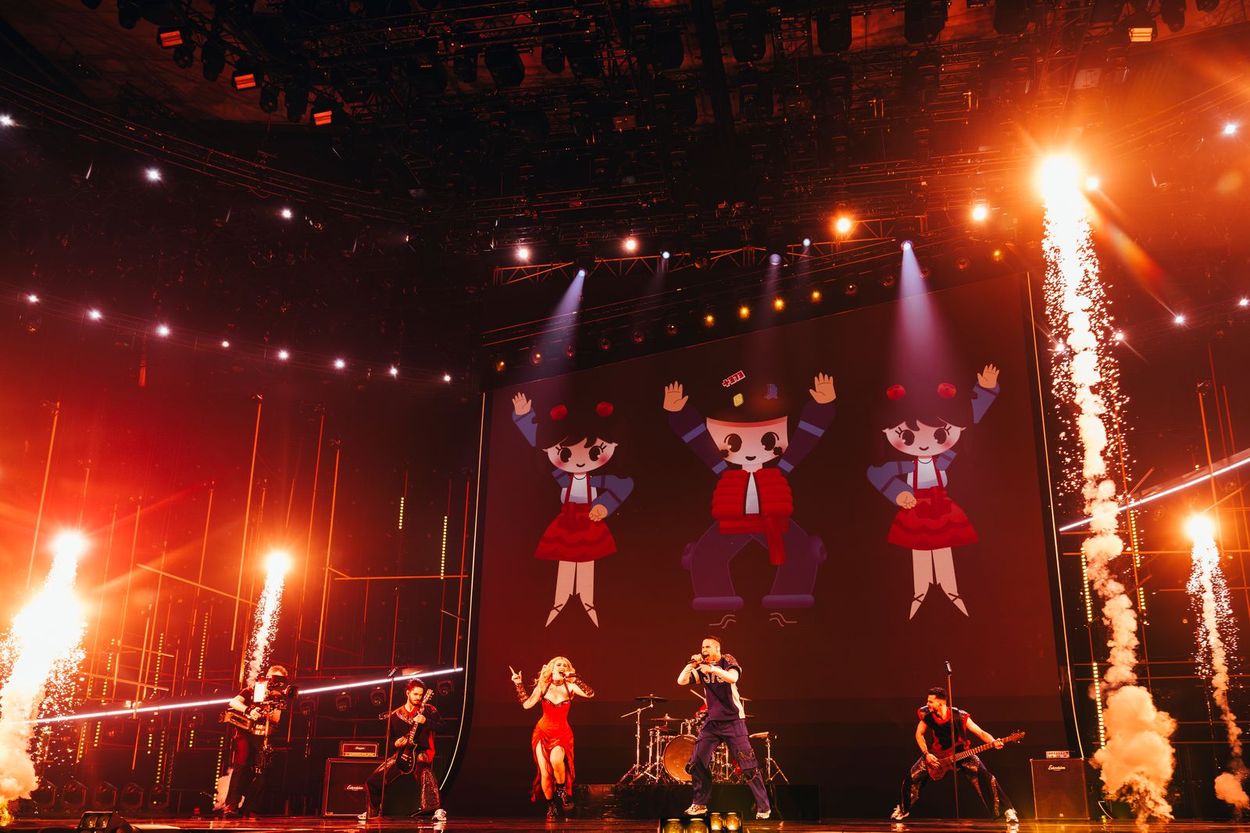
Vlad Țurcanu, the director general of Teleradio-Moldova (TRM), announced his resignation on Monday following widespread criticism of the Moldovan national jury’s decision to award Romania only 3 points and Ukraine no points at all in the Eurovision Song Contest 2026 grand final, held on May 16 in Vienna.
The 70th edition of the Eurovision Song Contest took place at the Wiener Stadthalle in Vienna, Austria, with Bulgaria winning the competition with the song “Bangaranga,” performed by Dara. Romania, represented by 22-year-old Alexandra Căpitănescu with the song “Choke Me,” finished in third place with a total of 296 points, comprising 64 points from professional juries and 232 points from the public televote.
The Moldovan jury awarded its maximum score of 12 points to Poland, followed by 10 points to Israel, 8 to Greece, 7 to Bulgaria, 6 to Norway, 5 to the Czech Republic, 4 to Australia, 3 to Romania, 2 to France, and 1 to Italy. Ukraine received no points from the Moldovan jury.
Teleradio Moldova published the votes of the seven members of the jury and stated that these scores did not reflect the position of the institution. The members of the jury were Andrei Zapșa, Pavel Orlov, Stanislav Goncear, Cătălina Solomac, Corina Caireac, Ilona Stepan, and Victoria Cușnir. The composition of the jury was approved by the leadership of TRM.
Following large-scale criticism on social media in Moldova, Teleradio Moldova released a statement saying that TRM did not in any way influence the jury’s decision, which was made independently, and that TRM tried to ensure the process would be transparent by appointing a notary who monitored the voting.
Margarita (Rita) Druță, who announced Moldova’s jury scores during the Eurovision final, said in a video posted after the contest that she was blindsided when she saw the result. “When I received the result and saw Romania, 3 points, I had a shock reaction,” she said. “For a few minutes, I stepped away,” Druță said she called the director of Teleradio Moldova and told him she refused to present the score. However, she did go on to appear in the Grand Final despite this.
Victoria Cușnir, one of the members of the Moldovan jury, explained that the evaluation was carried out on the basis of the contestants’ performances during the general rehearsals, which she said had been weaker than the final-night performances. She also stated that she had awarded Romania a “very good” score, and emphasised that the final result was a product of the votes of all jury members collectively.
PAS party member of parliament Dinu Plîngău called for the resignation of the leadership of TRM, the public broadcaster responsible for designating the national jury. The MP stated that the current TRM leadership should step down, and that if this did not happen voluntarily, Parliament should intervene to dismiss them. “I don’t think any investigation or justification can be credible in this situation. TRM is not at its first enormous scandal. Only resignations in the institution’s leadership can wash away a bit of the shame. If resignations do not follow, my position is that Parliament should prepare the decision to dismiss the leadership from their positions,” he wrote on Facebook.
Moldova’s Minister of Culture, Cristian Jardan, also requested official clarifications regarding the discrepancy between the public vote and the jury vote.
Vlad Țurcanu announced his resignation at a press conference, stating that he would submit his formal request to the TRM Supervisory Council as required by law. He accepted institutional responsibility for the jury’s vote, even though TRM had distanced itself from the jury’s decisions. “Even though we dissociated ourselves from the jury’s scores, the vote expressed is our responsibility and, first and foremost, mine as the head of the institution,” he said.
Țurcanu disclosed that he had learned of the jury’s results on Saturday afternoon, before they were announced during the contest. He stated that he had avoided giving instructions to the jury members and described what had occurred as something extraordinary and serious, namely that the jury had not taken into account the sensitivities that exist between the Republic of Moldova and its two neighbouring countries.
“Our attitude toward Ukraine is not one of zero points, and our feeling for Romania can only be one of love,” Țurcanu said. He added that the fraternal relations Moldova holds with Romania, as well as its regard for Ukraine, remain unaltered.
Țurcanu also stated that he did not wish for TRM’s activities to be affected by the public’s vehement, if sometimes justified, reactions on the subject.
Țurcanu said he would continue to fulfil his duties until a new director is selected through a public competition, a process expected to take several weeks, with the terms to be decided by the company’s Supervisory Council.
With Țurcanu’s resignation, the mandates of the deputy directors will also automatically end, including that of Andrei Zapșa, who served as Deputy Director General responsible for television at TRM and was a member of the Eurovision jury.
Vlad Țurcanu was appointed director general of Teleradio-Moldova in December 2021 following a decision of the Parliament in Chișinău.
The Romanian Embassy in Chișinău welcomed the support offered by the Moldovan public to Romania’s representative, emphasising that Eurovision “reminds us annually that music succeeds in uniting people, emotions and communities beyond any ranking established by a jury.”
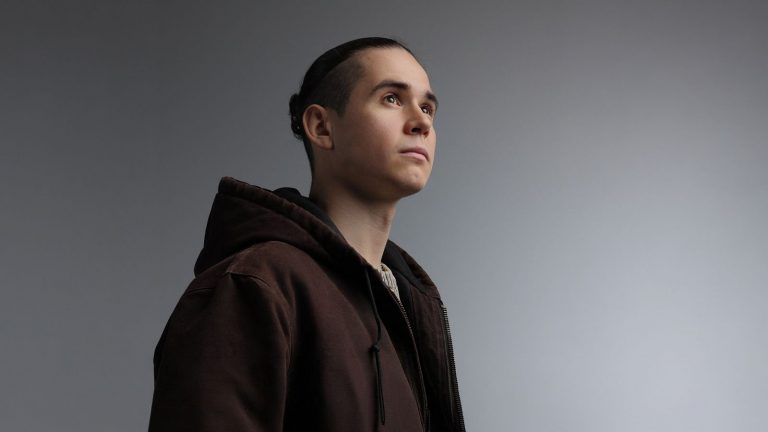
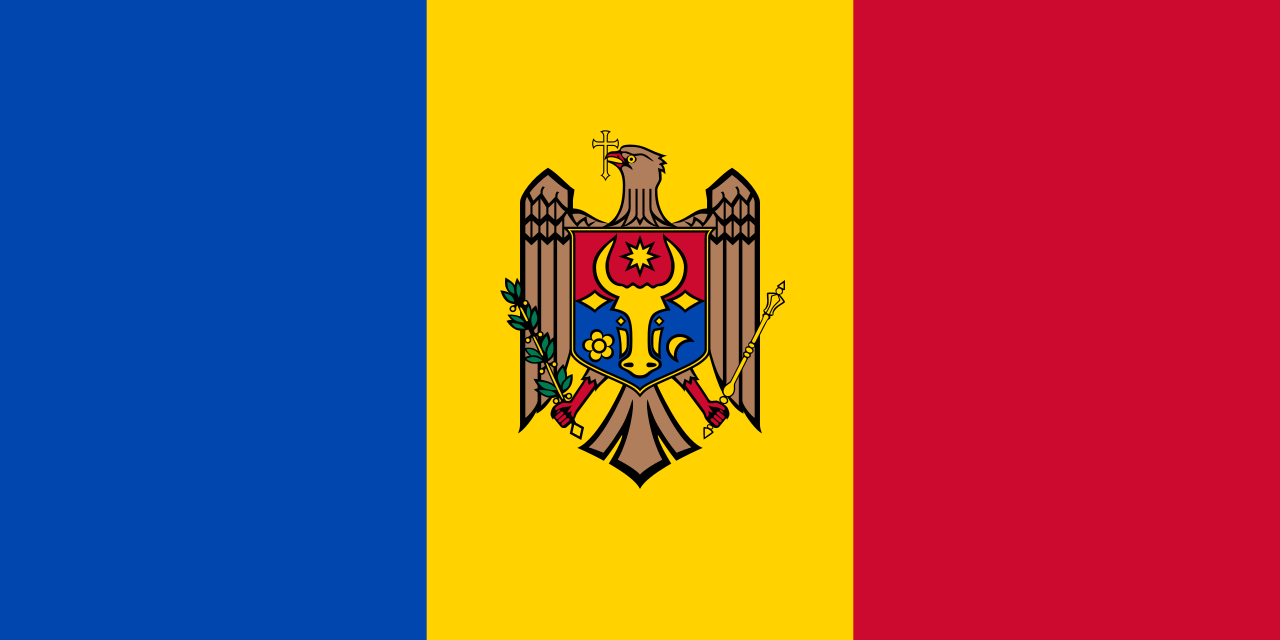 Moldova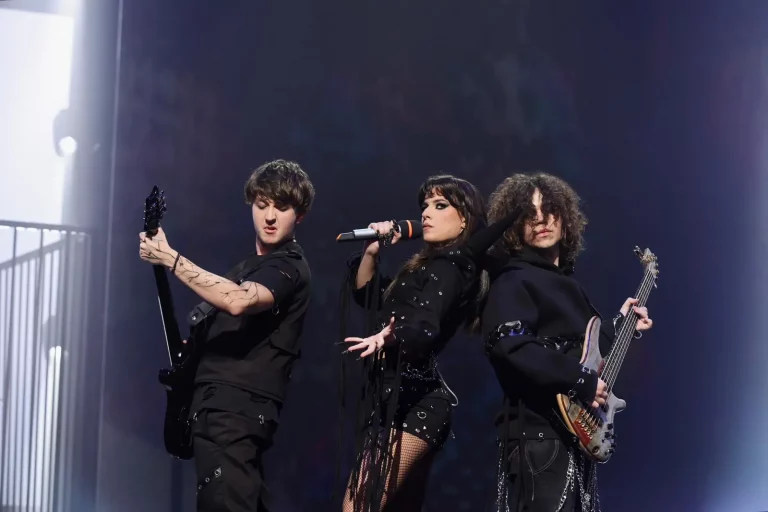
 Romania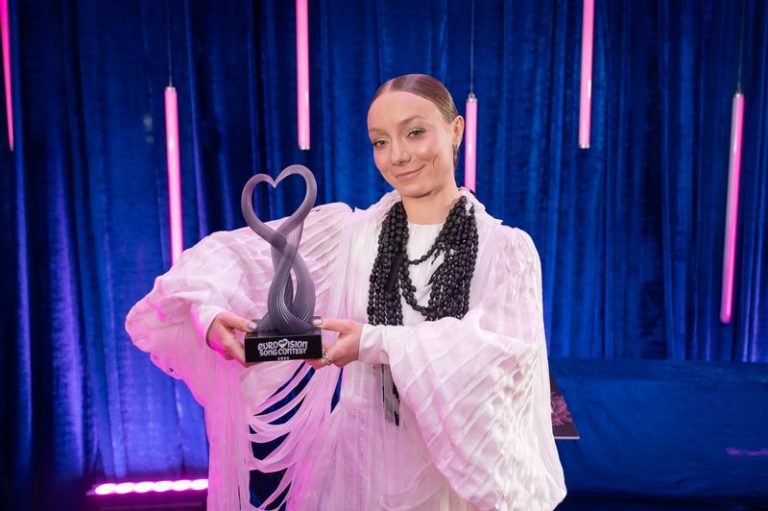
 Ukraine